
The healthcare industry is undergoing the most advanced digital transformation in decades. The rising adoption of Electronic Health Records (EHR), telemedicine, remote patient monitoring, and insurance automation has created a massive surge of healthcare data expected to reach 36% annual growth by 2027 (IDC).
However, with innovation comes risk. Cyberattacks on hospitals and insurance networks increased by 105% between 2021–2024, and the cost of healthcare data breaches exceeded $11 million per incident (IBM 2024 Report).
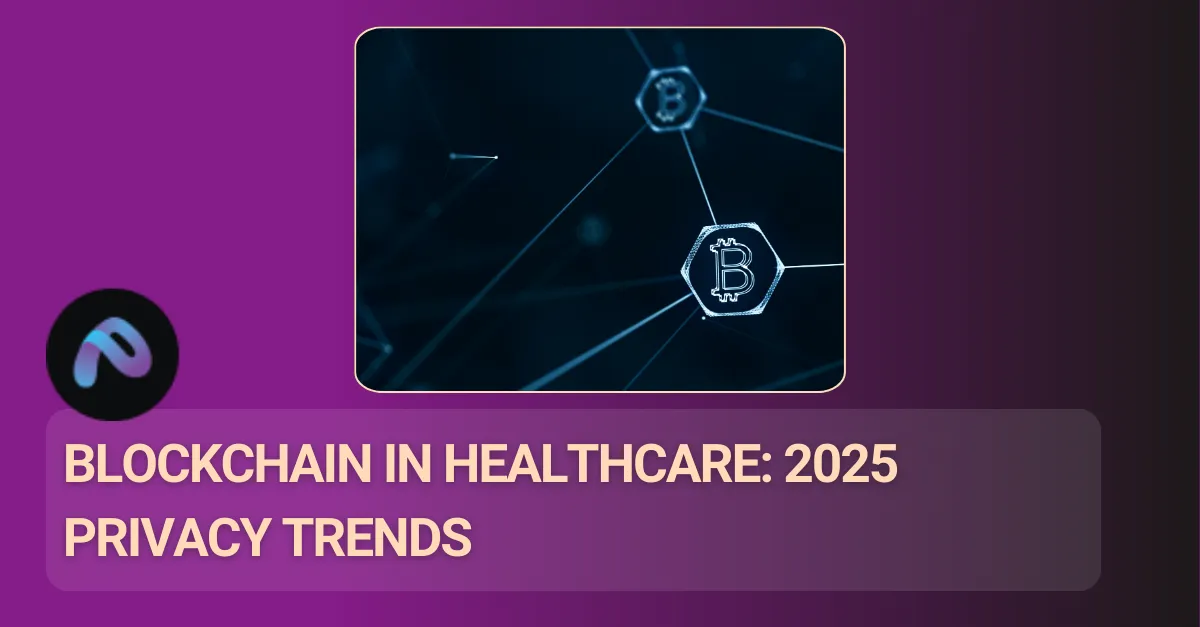
This is precisely why blockchain in healthcare has become one of the biggest technology trends of 2025 transforming how patient data is stored, accessed, and verified.
In this comprehensive guide, we explore:
- What is blockchain in healthcare?
- Why blockchain is becoming essential in 2025
- Latest trends and innovations
- Use cases in data privacy & claims
- Analytical insights, statistics & industry comparisons
- Challenges and solutions
- How companies like Perma Technologies enable blockchain adoption
What is Blockchain in Healthcare?
Blockchain is a decentralized, tamper-proof digital ledger that records data across distributed nodes.
In healthcare, this technology enables:
- Secure patient data exchange
- Safe and transparent insurance claims
- Real-time verification of medical records
- Fraud detection
- Auditability and compliance
Unlike traditional databases, blockchain ensures immutability, meaning records cannot be altered without leaving a trace. This is critical in healthcare where data integrity saves lives.
Why Blockchain is Important in Healthcare (2025 Perspective)
Several industry shifts are making blockchain adoption necessary:
✔ Rising Data Breaches
Healthcare is the #1 most targeted sector for cyberattacks. Blockchain reduces vulnerability by decentralizing data.
✔ Need for Interoperability
2010–2020 saw a wave of EHR adoption. But most systems still don’t talk to each other. Blockchain allows universal data access across hospitals, labs, payers, and pharmacies.
✔ Insurance Fraud & Delayed Claims
Healthcare fraud costs an estimated $300 billion per year globally. Blockchain accelerates claim verification and reduces fraud.
✔ Patient Data Ownership Movement
With GDPR, HIPAA, and consumer digital rights rising, patients expect full control over their health data.
✔ AI + Blockchain Integration
AI needs clean, accurate datasets—blockchain ensures the integrity and traceability of medical data used in AI predictions.
2025 Blockchain in Healthcare Trends
Here are the most impactful 2025 trends reshaping the industry:
1. Decentralized Patient Identity & Access Control
Traditional hospital databases store patient details in centralized systems—one breach compromises millions.
In 2025, hospitals are adopting Decentralized Identity (DID) systems built on blockchain.
Benefits:
- Patients own their identity keys
- Granular consent for sharing medical data
- Prevents identity theft and unauthorized access
Stat: According to Gartner, 45% of hospitals will move to decentralized identity frameworks by 2027.
2. Smart Contracts for Automated Claims Processing
Insurance claims are notorious for:
- Delays
- Mismatched records
- Human errors
- Fraudulent submissions
Blockchain smart contracts process claims instantly when validation parameters are met.
Example Workflow:
- Patient receives treatment
- Hospital uploads encrypted data to blockchain
- Smart contract verifies coverage
- Claim is auto-approved and sent to the payer
- Patient receives notification instantly
Impact:
Claims processing time reduces from weeks to minutes.
3. Blockchain Based EHR Interoperability
By 2025, interoperability remains the biggest challenge. Nearly 80% of hospitals still struggle to exchange EHRs effectively.
Blockchain enables:
- Universal access
- Standardized records
- Accurate, real-time updates
This ensures that regardless of the software (Epic, Cerner, Allscripts), patient data flows smoothly.
4. Pharmaceutical Supply Chain Transparency
Counterfeit drugs cause 1 million deaths per year globally (WHO).
Blockchain allows end-to-end traceability:
- Manufacturer → Distributor → Pharmacy → Patient
With QR codes tied to blockchain:
- Every drug is authenticated
- Storage conditions are monitored
- Supply chain tampering is prevented
This is becoming a legal requirement in Europe and the U.S.
5. Clinical Trials & Research Integrity
Blockchain addresses:
- Fabricated research data
- Missing trial documents
- Lack of transparency
Researchers store trial data on blockchain to ensure:
- Immutable records
- Easy audit access
- Patient consent tracking
This accelerates regulatory approvals by up to 40%.
6. AI-Integrated Blockchain Data Lakes
Healthcare AI depends on reliable data.
Blockchain ensures:
- Verified dataset provenance
- Audit trails
- Bias reduction
- Clean, tamper-proof records
Global health AI systems powered through blockchain are expected to grow 5x by 2030.
7. Personalized Healthcare Ecosystems
Patients can now store:
- Genetic data
- Lab results
- Fitness metrics
- Medical history
on personal blockchain wallets.
This supports personalized care and precision medicine with complete patient consent.
Analytical Table: Blockchain Impact in Healthcare (2025 Study)
| Healthcare Area | Current Challenges | Blockchain Solution | Expected 2025–2030 Impact |
| Data Security | Breaches, ransomware | Immutable distributed records | 60–80% reduced breach risk |
| Claims Processing | Fraud, delays | Smart contract automation | 70% faster claims settlements |
| Patient Identity | Theft, mismatched records | Decentralized Identity | 50% lower identity fraud |
| Pharma Supply Chain | Counterfeit drugs | End-to-end tracing | 80% reduction in counterfeit incidents |
| EHR Interoperability | Fragmented systems | Standardized distributed ledger | 90% interoperability growth |
| Clinical Trials | Data tampering | Immutable logs | Faster approvals, improved trust |
2025 Industry Statistics Snapshot
Healthcare Blockchain Market Size
- 2023: $1.9B
- 2025: $5.6B
- 2030 (projected): $35B
Claims Fraud Losses Saved
Blockchain solutions expected to reduce fraud by $48 billion globally by 2030.
Operational Efficiency Gains
Hospitals save 25–40% administrative costs using blockchain-based automation.
Information Box (2025 Trending Update)
📌2025 Hot Update: Blockchain + GenAI for Real-Time Claims
Major insurers like Aetna, Humana, and UnitedHealth are testing GenAI-powered smart contracts built on blockchain.
These systems:
- Auto-read claim documents
- Validate medical codes
- Match eligibility
- Trigger instant payouts
This hybrid approach is expected to reduce insurance overhead costs by up to 65% by 2027.
Key Use Cases for Blockchain in Healthcare
1. Secure Medical Record Sharing
Blockchain enables secure sharing of:
- Prescriptions
- Diagnostic reports
- Imaging
- Treatment history
Patients can permit and revoke access using digital keys.
2. Medical Billing & Claims Verification
Prevents:
- Duplicate claims
- Upcoding
- Faked documentation
Every step is timestamped.
3. Provider Credentialing
Hospitals can verify:
- Doctors
- Nurses
- Technicians
within seconds instead of weeks.
4. Remote Patient Monitoring
IoT devices generate sensitive data.
Blockchain encrypts streams and ensures safe transmission.
5. Genomics & Precision Medicine
Companies like Nebula Genomics use blockchain to protect genetic data.
Challenges in Blockchain Healthcare Adoption (and Solutions)
1. Scalability Issues
Solution: Layer-2 protocols and sharding.
2. High Initial Investment
Solution: Hybrid cloud-blockchain models reduce costs by 45%.
3. Regulatory Uncertainty
Solution: Compliance-ready frameworks aligned with HIPAA, GDPR, and HL7 FHIR.
4. Legacy IT Integration
Solution: Using middleware APIs to bridge EHR systems with blockchain nodes.
Best Practices for Implementing Blockchain in Healthcare
✔ Start with a Pilot
Claims automation or patient identity management are ideal pilot projects.
✔ Prioritize Compliance
Ensure systems align with:
- HIPAA
- GDPR
- HITECH
- HL7 FHIR
✔ Implement Multi-Layered Encryption
Adds an extra security shield.
✔ Choose the Right Consensus Mechanism
For healthcare:
- PBFT
- PoA
work better than PoW.
✔ Train Staff
Digital literacy is essential for successful adoption.
How Perma Technologies Helps You Implement Blockchain in Healthcare
Perma Technologies provides an end-to-end blockchain transformation framework designed specifically for hospitals and healthcare enterprises.
Our Capabilities Include:
🔹 Blockchain Strategy & Architecture
Aligning business goals with scalable blockchain models.
🔹 Smart Contract Development
For claims, billing, authorization, trial workflows.
🔹 Healthcare Data Interoperability Setup
EHR integration using FHIR and blockchain nodes.
🔹 Identity & Access Management
Decentralized identity solutions for patients and staff.
🔹 AI + Blockchain Healthcare Analytics
Encrypted datasets for safe AI insights.
🔹 Regulatory Compliance Guidance
Ensuring HIPAA, GDPR, and global compliance.
🔹 Custom Patient & Provider Apps
Web and mobile interfaces built for security-first healthcare setups.
Conclusion
Blockchain is not just another digital trend it’s becoming the backbone of a secure, interoperable, and efficient healthcare ecosystem.
From data privacy to claims processing, identity security, and pharmaceutical transparency, blockchain is transforming healthcare in 2025 and beyond.Organizations that embrace blockchain early will lead the next decade of innovation and patient trust.